Diane Alexander White’s Field Museum photography collection is a
large, cross‑disciplinary body of 4×5 film transparencies documenting Anthropology, Geology, Zoology, and Botany collections across decades. At its core, it is both a scientific archive and an artistic record of how the museum’s material culture, specimens, and research practices looked before the digital era.
The Field Museum’s Photo Archives—where her work resides—contains
over 300,000 images spanning these four scientific departments, and White was one of the primary photographers contributing to that archive during her long tenure.
What the collection contains White’s 4×5 transparencies capture the museum’s scientific collections with clarity, color accuracy, and archival stability. Each department contributes a distinct visual character:
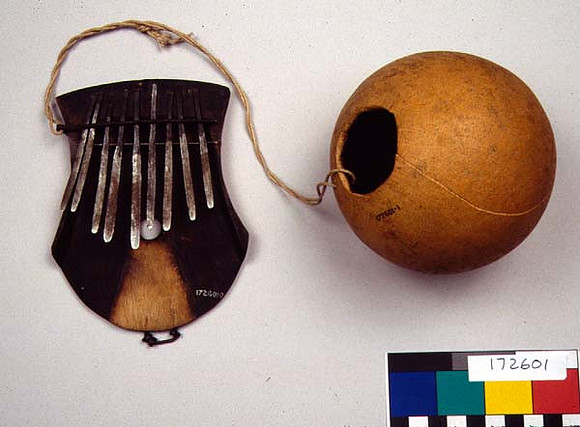
- Anthropology — Cultural artifacts, textiles, pottery, carvings, and archaeological materials. Her work includes documentation of Maya Blue pigment analysis and other research-driven imaging.
- Geology — Minerals, fossils, and geological specimens photographed with studio lighting to reveal texture and structure.
- Zoology — Taxidermy mounts, skeletal specimens, preserved animals, and field-collection materials.
- Botany — Herbarium sheets, plant specimens, seeds, and botanical research materials.
These transparencies were created for
scientific documentation,
exhibit planning,
research publications, and
internal museum records, forming a visual backbone of the museum’s collections.
Why 4×5 transparencies matter White’s use of 4×5 film was essential for museum-quality imaging:
- Large-format film produced exceptional detail, crucial for scientific study.
- Transparencies offered accurate color, important for pigments, textiles, and botanical specimens.
- The format ensured long-term archival stability, allowing the museum to preserve images for future research.
Her work bridges the gap between analog precision and today’s digital workflows, with many transparencies later scanned for digital access.
Notable projects within the collection One of the most striking examples of her Field Museum documentation is the
Netjer‑User Tomb (c. 2400 BC), photographed for the Anthropology Department in 1999 before the chapel was sealed behind a staff break room. White used tungsten slide film and specialized lighting to capture the reliefs and pigments.
Her anthropological photography also appears in the
Museum Loan Network Grant Collections, where her images illustrate the aesthetic and cultural significance of artifacts selected for traveling exhibitions.
🖼️ How the collection fits into the museum’s archive White’s transparencies are part of the Field Museum’s historic Photo Archives, which date back to the 1893 World’s Columbian Exposition and now span Anthropology, Botany, Geology, and Zoology.
Her work contributes to:
- The museum’s visual history
- Documentation of scientific expeditions
- Records of exhibit installations
- Preservation of rare and fragile objects
Together, these images form a comprehensive record of the museum’s scientific and cultural holdings.