Thank you for your patience while we retrieve your images.


Thumbnails
Info
Photo Info

Dimensions4594 x 3059
Original file size16.6 MB
Image typeJPEG
Color spaceAdobe RGB (1998)
Date modified1-Jun-26 00:01
Shooting Conditions

Camera makePlustek
Camera modelOpticFilm 8200i
NETJER USER TOMB, FIELD MUSEUM 1999 DAW (1)

NETJER USER TOMB, FIELD MUSEUM 1999 DAW (1)

The year was 1999 when the Anthropology Department asked me to photograph the Netjer-User Tomb (c. 2400 BC) at the Field Museum before it was covered up with drywall to be used as a break room for the Security Services Department. As of 2026, the "Inside ancient Egypt", exhibit will be renovated and the Netjer-User Tomb will be incorporated in the new Egypt exhibit sometime in the near future. In 1999 the digital world of photography was still in its infancy and film photography was still the norm. The tomb was photographed with 35mm tungsten slide film and tungsten lights. The slide film was digitally scanned in 2026 and was processed with Adobe Lightroom Classic in order to view, organize, tag and edit the film for my external hard drive, Googlephotos and for public viewing on my website called Diane Alexander White Photography/ Museum, Galleries page.

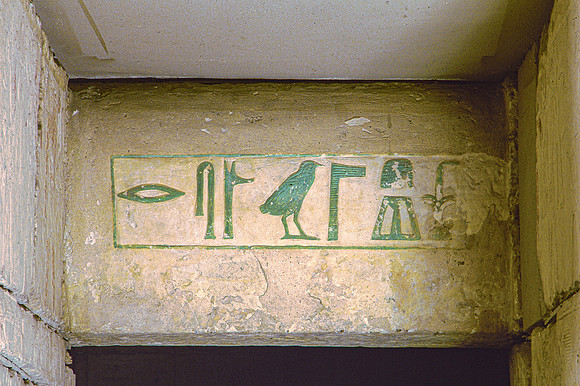

The Netjer-User Tomb Chapel at the Field Museum
The Netjer-User tomb chapel is a remarkably preserved 4,300‑year‑old funerary chapel from ancient Egypt, now hidden inside a Chicago museum break room at the Field Museum. It was originally part of a mastaba tomb dating to the Fifth Dynasty (c. 2400 BC) and is believed to have belonged to Netjer‑User, a royal chamberlain and son of Pharaoh Unis tripexplorersguide.com.Discovery and Acquisition
The chapel was purchased by the Field Museum in the early 20th century during the “Indiana Jones” era of archaeology. It was acquired from an old exhibit on ancient Egypt and later moved with the museum’s collections when it relocated in 1921 Atlas Obscura. During 1988 renovations, museum staff found it impossible to disassemble the solid limestone structure, so they built around it instead Association of Registrars and Collection Specialists.Historical and Artistic Significance
The chapel is decorated floor to ceiling with reliefs and hieroglyphs depicting:
Some original pigments—ochre, jade green, cerulean blue—still remain, giving a rare glimpse of how these tombs once looked tripexplorersguide.com. The scenes provide insights into ancient Egyptian beliefs about the afterlife, diet, clothing, and religious practices.Location and Access
The chapel is sealed off in a non‑public area behind the museum’s staff break room. It is not open to the general public, but can be accessed through the museum’s “Unlock the Chapel” puzzle hunt tripexplorersguide.com+1. This interactive game, which takes about 90 minutes, leads participants through the Mummies, Ancient Americas, and Inside Ancient Egypt galleries, using augmented reality and coded riddles to reach the chapel Association of Registrars and Collection Specialists.Visitor Experience
Inside, the chapel is compact—about the size of a spacious elevator—with a raised threshold to step over. The modest lighting and preserved reliefs create a contemplative atmosphere, making it feel like stepping into a time capsule tripexplorersguide.com.
Tip: If you want to see it, join the Field Museum’s puzzle hunt or special tours, as it’s one of the museum’s most unique and well‑preserved hidden artifacts.